
Nikro Air Duct Cleaning in Atlanta: A Homeowner’s Guide
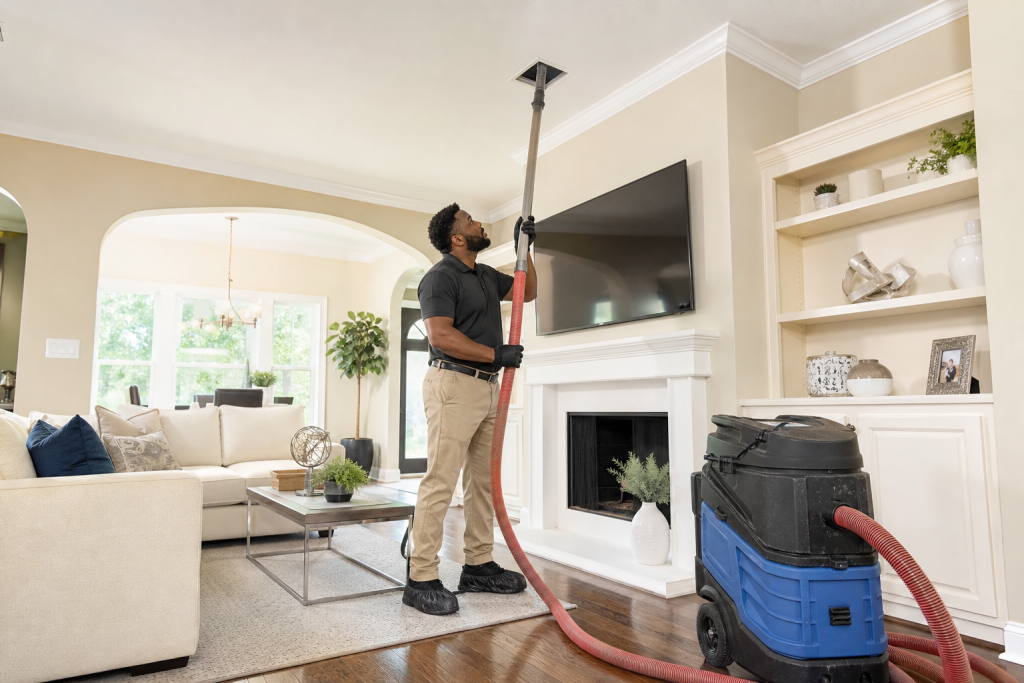
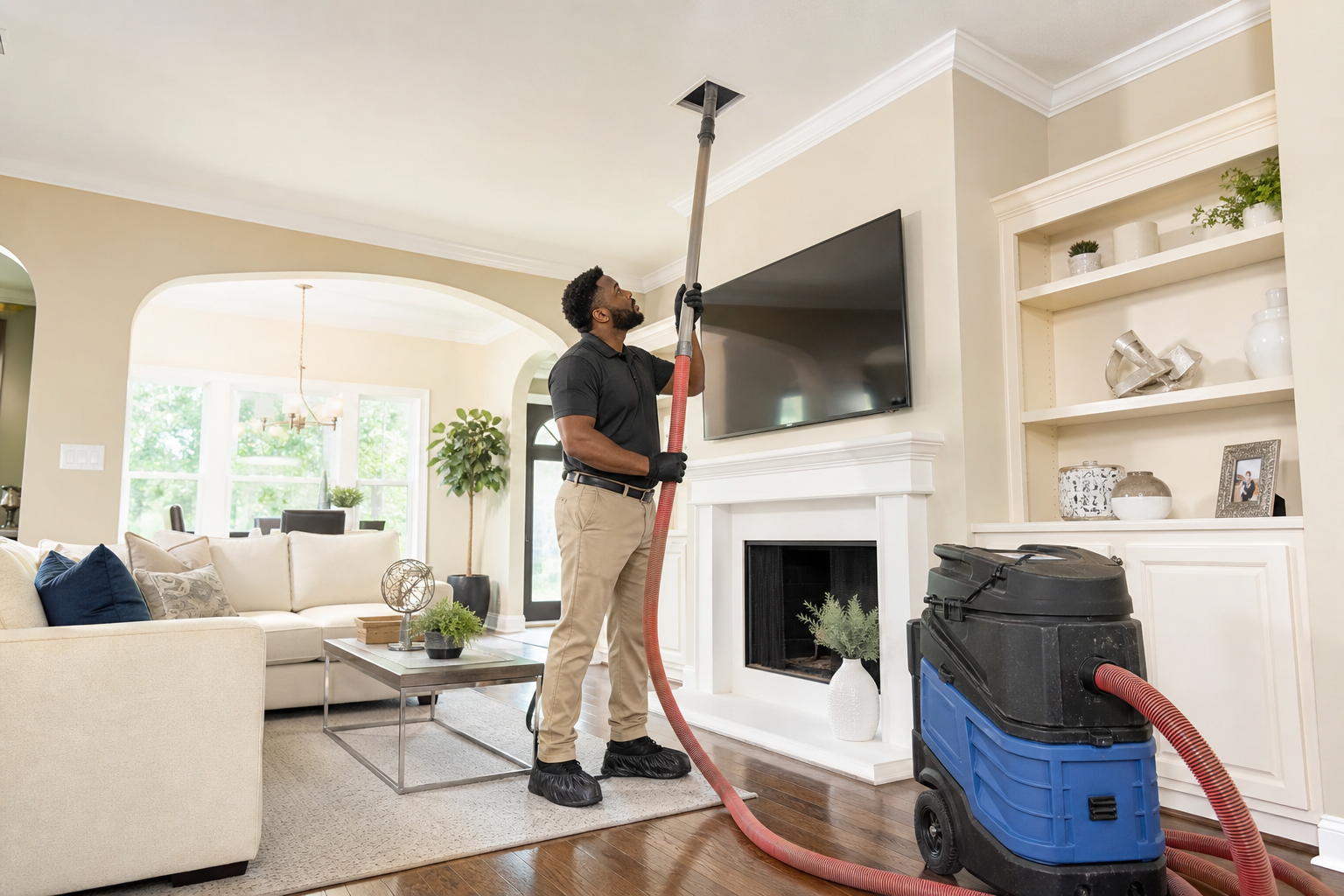
Nikro air duct cleaning equipment is a professional-grade line of HEPA-filtered negative air machines and portable vacuums built specifically for HVAC source removal, with industrial suction ratings that meet or exceed NADCA’s ACR standard for negative pressure. In Atlanta’s market, where long flex duct runs in attic installations are common, Nikro’s combination of high-volume extraction and forward-pressure agitation tools removes debris that consumer-grade equipment simply cannot reach. If you’d rather not spend your weekend researching vacuum specifications, Everest Air Duct Cleaning Service Georgia home offers free estimates — call (877) 565-7296 and we’ll show you exactly what we bring to the job.
Most homeowners never think to ask what equipment a duct cleaning company uses, which is exactly why some Atlanta operations advertise “truck-mounted systems” while showing up with consumer-grade shop vacs barely capable of reaching 1 inch of water column negative pressure. We’ve been called in behind these jobs. Last month, a homeowner in Decatur had already paid for a “complete cleaning” — the company used a rental unit from a hardware store, ran it for 45 minutes, and left decades of compacted drywall dust from a 2019 renovation sitting in the trunk line. We pulled it out with our Nikro HEPA system in about three hours. The difference isn’t marketing. It’s physics.
What Nikro Equipment Actually Is (And Why the Specs Matter)
Nikro Industries manufactures portable HEPA vacuum systems and negative air machines designed specifically for duct cleaning, mold remediation, and asbestos abatement. Their product line includes the Nikro PS1000 and larger PS2000 series portable vacuums, plus the Nikro UVC air scrubber line — equipment built to meet EPA and OSHA standards for containment and filtration.
The critical specification is negative pressure, measured in inches of water column (“WC). NADCA’s ACR standard specifies that source removal equipment must maintain sufficient negative pressure to prevent debris from escaping the ductwork during cleaning — typically 2,500 CFM (cubic feet per minute) or greater for residential systems, with adequate static pressure to overcome resistance in long duct runs.
Here’s where Nikro separates from what’s commonly used in Atlanta’s budget market:
- Nikro PS1000: HEPA filtration to 99.97% at 0.3 microns, 1,300 CFM with sufficient static pressure for most Atlanta single-family homes up to 3,000 square feet
- Nikro PS2000: Dual-motor configuration, 2,000+ CFM, designed for larger residential trunk lines and light commercial — the unit we deploy for Atlanta’s 1960s–1980s ranch homes with extensive hard-pipe systems
- Forward-pressure whip systems: Pneumatic agitation tools that dislodge debris ahead of the vacuum point, critical for flex duct where contact brushes can’t reach collapsed or sagging sections
Consumer-grade shop vacuums typically achieve 1–2 inches WC negative pressure. A proper Nikro unit runs 10–15 times that capability. In a 2,500 square foot Atlanta home with 150+ feet of trunk line and branch ducts, that difference determines whether debris actually leaves the system or just gets redistributed.
Why Atlanta’s Duct Configurations Demand Better Equipment
Atlanta’s housing stock presents specific challenges that make equipment selection consequential. Post-1980 construction in suburbs like Alpharetta, Marietta, and Johns Creek typically uses extensive flex duct runs through ventilated attics — sometimes 80+ feet from air handler to the farthest register. Pre-1960 homes in intown neighborhoods like Virginia-Highland, Grant Park, or Candler Park often have original galvanized steel trunk lines with decades of accumulated debris.
We’ve worked both. The flex duct scenario is where equipment gaps become obvious. Flex duct has internal ribs and can sag between supports, creating low spots where debris collects. A contact-cleaning brush — the Rotobrush method we also use for certain applications — physically contacts the duct wall but can’t always navigate sags or tight turns. Nikro’s forward-pressure whip systems use compressed air to create turbulence throughout the duct cross-section, dislodging material from areas no brush can reach, while the high-volume vacuum maintains continuous extraction.
In older Atlanta homes with hard-pipe systems, the issue is different: decades of accumulation, often including construction debris from multiple renovations, compacted into a relatively smooth metal surface. Here, the sheer vacuum volume matters. A Nikro PS2000 can maintain extraction velocity through 8-inch galvanized trunk lines where smaller units lose suction to friction losses.
We pulled one system in East Atlanta last year where the previous cleaning company — using a portable unit of unspecified manufacture — had literally pushed debris from the trunk line into a 90-degree elbow, creating a complete blockage. The homeowner’s airflow had dropped 40% over two years. We cleared it in 20 minutes with proper agitation and extraction. Equipment matters.
NADCA Standards and What “Source Removal” Actually Means
The National Air Duct Cleaners Association (NADCA) publishes the ACR standard — Assessment, Cleaning, and Restoration of HVAC Systems — which specifies minimum equipment and procedural requirements. Most Atlanta homeowners haven’t read it. Fair enough. But the contractors they hire should be working to it.
The standard distinguishes between two approaches that sound similar but produce radically different results:
- Contact vacuum only: A vacuum device physically inserted into the ductwork, relying on direct suction at the point of contact. Effective for loose surface debris in accessible straight runs. Inadequate for compacted accumulation, internal duct irregularities, or systems with multiple bends.
- Source removal with agitation: Mechanical or pneumatic tools dislodge debris throughout the duct system while negative pressure extraction operates simultaneously, preventing redeposition. This is the NADCA-specified method for systems with significant contamination.
Nikro equipment is built for source removal. The vacuum capacity supports continuous extraction during agitation, and the whip systems provide the mechanical component. Cheaper equipment often forces contractors to choose: they can agitate or they can extract, but they can’t maintain both simultaneously. We’ve seen the result — a cloud of disturbed debris that settles back into the system after the crew leaves.
Atlanta’s pollen burden makes this especially relevant. Our spring oak and pine pollen counts regularly exceed 2,000 grains per cubic meter, much of which enters duct systems through return air pathways. Compacted pollen plus humidity plus time creates a matrix that contact vacuuming won’t touch. Source removal with professional-grade equipment is the only effective approach.
How to Verify What Equipment a Contractor Actually Uses
This is where homeowners can protect themselves. The equipment question is rarely asked, which means honest contractors welcome it and evasive ones reveal themselves.
Questions that separate real from rented or misrepresented equipment:
- “What specific make and model of vacuum do you bring to residential jobs?” — A legitimate contractor names the equipment. “Nikro PS1000,” “Abatement Technologies PRED750,” specific answers. Vague responses like “commercial-grade truck mount” or “professional HEPA system” warrant follow-up.
- “Is this equipment you own, or do you rent it per job?” — Rental equipment isn’t automatically inferior, but it suggests a contractor without sufficient volume to justify capital investment. More critically, rented equipment may not be properly maintained — HEPA filters require regular replacement, and we’ve encountered rental units with compromised filtration.
- “What’s your negative pressure rating, and how do you verify it on site?” — A technician who understands their equipment can answer this. We check our Nikro units’ static pressure performance at the start of every job; it’s part of our setup protocol.
- “Do you use agitation tools, and what type?” — Pneumatic whips, rotary brushes, or compressed air tools are legitimate answers. “We vacuum the registers” is not.
- “Can you show me the equipment before we start?” — We always do. The Nikro unit, the whip system, the Rotobrush contact unit if we’re deploying it for a specific duct type — it’s all on the truck, and we’re happy to explain what each component does.
We’ve been asked these questions maybe a dozen times in twenty years. Every time, we’re glad — it means a homeowner is thinking critically about a service that affects their air quality for years.
When to Call a Professional (And What Related Services to Consider)
If your Atlanta home hasn’t had duct cleaning in 5+ years, or if you’re noticing reduced airflow, increased dust accumulation, or allergy symptoms that worsen when the HVAC runs, it’s worth having the system assessed. We don’t clean ducts that don’t need it — but we also don’t pretend that visual inspection from a register tells the whole story.
Related services that often pair with duct cleaning in Atlanta homes:
- Dryer Vent Cleaning in Atlanta — lint accumulation in dryer vents is a leading cause of residential fires, and the same access point often reveals duct conditions worth addressing
- HVAC Cleaning in Atlanta — the air handler, coil, and blower assembly are part of the same air stream; cleaning ducts without addressing the mechanical components leaves contamination sources intact
We also install Honeywell and Aprilaire whole-home air quality products — filtration and humidity control systems that address what enters the ductwork, not just what’s already inside. Guardsman sanitizing treatments are available where microbial contamination is identified.
What happens when you call
- 1
A real person answersNo phone trees — you reach a local pro.
- 2
You get an upfront price rangeHonest numbers before anyone is dispatched.
- 3
A background-checked tech heads outLicensed & insured, dispatched right away.
- 4
You approve before work beginsNothing starts until you say go.
The Bottom Line
Nikro equipment represents one of the benchmarks for professional duct cleaning — not because the brand name matters to homeowners, but because the engineering specifications (HEPA filtration to 0.3 microns, sufficient negative pressure for source removal, compatibility with pneumatic agitation systems) produce measurable differences in debris extraction. In Atlanta’s specific housing stock, with long flex duct runs and significant pollen loads, those specifications translate directly to air quality outcomes.
The equipment question is a proxy for contractor seriousness. Someone who has invested in proper tools, maintains them, and can explain their application has likely invested similarly in training and procedural rigor. Someone who can’t name their vacuum model or claims “it’s all the same” is telling you something worth hearing.
433 neighbors have rated us 4.9 stars — the numbers speak for themselves. Scott Gray has worked every job for 20 years; your home gets the owner, not a substitute. We use Rotobrush contact-cleaning and Nikro HEPA extraction — the same equipment trusted in commercial remediation. From dirty ducts to repaired, sealed, and sanitized — we handle the full scope.
If you’re in Atlanta and want to know what your system actually needs, Everest Air Duct Cleaning Service Georgia offers free estimates. Call (877) 565-7296 and we’ll show up with the equipment, not just the promises.
Frequently Asked Questions
Professional air duct cleaning in Atlanta typically ranges from $400 to $900 for a standard single-family home, depending on system size, accessibility, and contamination level. Larger homes with extensive hard-pipe systems or significant debris accumulation fall at the higher end. Call (877) 565-7296 for an exact quote — estimates are free.
Nikro portable HEPA systems and truck-mounted systems serve different applications; neither is universally superior. Truck-mounted units offer high volume but limited access to attic-installed systems common in Atlanta suburbs. Nikro portables bring comparable extraction power to any access point, which is why we deploy them for the flex duct configurations we encounter across metro Atlanta. The right equipment depends on your specific system layout.
Every 3 to 5 years for typical residential systems, or sooner after renovation, pest intrusion, or if occupants have allergy or respiratory conditions. Atlanta’s high pollen counts and humidity accelerate accumulation compared to drier climates. If you’re unsure whether your system is due, we can inspect access points during a service call and give you a straight assessment.
Consumer shop vacuums lack the negative pressure, HEPA filtration, and agitation capability for effective source removal. You can clean visible register surfaces, but trunk lines and branch ducts require equipment that maintains containment during disturbance — without it, you risk redistributing debris throughout your home. For Atlanta’s typical duct configurations, professional equipment produces measurably different outcomes. Call (877) 565-7296 if you’d like to discuss what your specific system needs.
Written by Scott Gray, Owner & Lead Technician at Everest Air Duct Cleaning Service Georgia, serving Atlanta since 2006.
Need Air Duct Cleaning Help?
Call Everest Air Duct Cleaning Service Georgia — licensed & insured, here with fast after-hours help in Georgia.
(877) 565-7296